How robotic bariatric surgery is helping reshape the conversation about weight and health
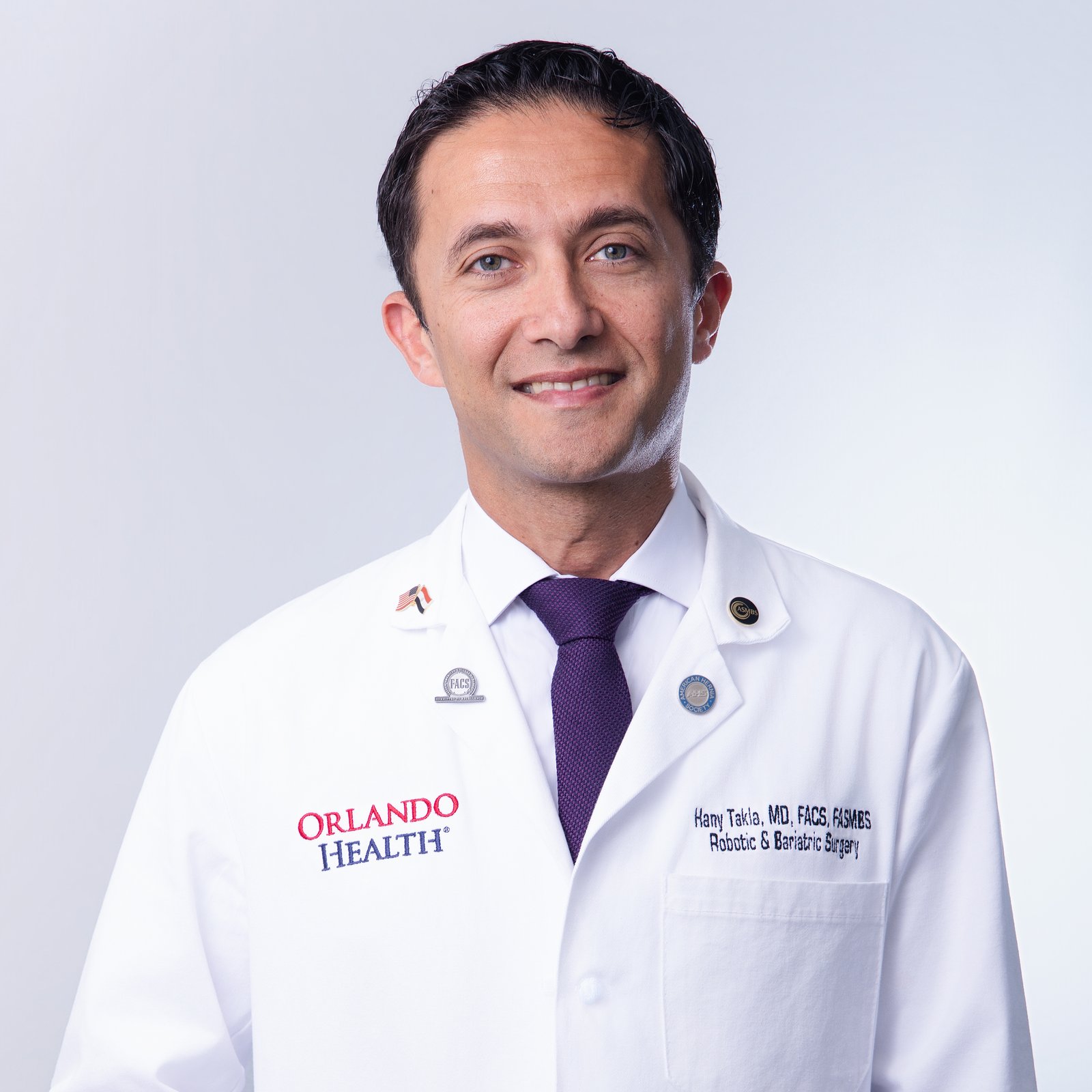
By Hany Takla, MD, FACS, FASMBS
Imagine walking around Lake Eola without stopping to catch your breath. Getting down on the floor to play with your children. Booking a flight without worrying about the seat. For people living with obesity, these everyday moments can feel like distant goals.
Bariatric surgery can help bring those goals within reach. And robotic technology is changing how surgeons perform these procedures, combining minimally invasive techniques with advanced visualization and instrument control.
But the most compelling part of this story is deeply human: the possibility of getting more life back.
Beyond the bathroom scale
Obesity is a complex, chronic disease influenced by biology, genetics, environment, and behavior. Reducing it to willpower overlooks the powerful mechanisms that regulate hunger, fullness, and metabolism.
Bariatric surgery addresses some of those mechanisms. Procedures such as sleeve gastrectomy, gastric bypass and duodenal switch change the digestive system and influence signals involved in appetite and blood sugar regulation. For appropriately selected patients, benefits may include substantial, sustained weight loss and improvements in type 2 diabetes, sleep apnea, and high blood pressure.
The goal reaches beyond a smaller clothing size. It is better health, greater mobility, and more freedom to participate in daily life.
What does the robot actually do?
Despite the futuristic name, the robot does not operate independently. The surgeon controls its movements throughout the procedure.
Working from a console in the operating room, the surgeon uses a magnified, three-dimensional view and instruments that bend and rotate inside the body. These instruments translate the surgeon’s hand movements into controlled movements through small incisions.
This technology can be particularly useful for delicate dissection and suturing, including technically demanding operations. However, robotic assistance does not automatically mean better results for every patient. Surgeon experience, procedure selection, and the quality of the entire care team remain essential.
The technology supports surgical judgment; it cannot replace it.
Where do weight-loss medications fit?
With injectable weight-loss medications attracting enormous attention, many people wonder whether surgery still has a role.
The answer is yes. Medications and surgery offer different approaches, and treatment should reflect each person’s health, goals, preferences, and response to previous care. Some patients benefit from medication, others from surgery, and some from a combination over time.
A thoughtful consultation explores the full picture: diabetes, reflux, sleep apnea, previous procedures, eating patterns, and long-term needs. The best plan is personal.
The operation is one chapter
Successful bariatric care begins before surgery and continues long afterward. Nutritional guidance, physical activity, emotional support, and regular follow-up help patients build sustainable habits and protect their health.
Recovery varies by patient and procedure. Small incisions do not eliminate surgical risks, which include bleeding, infection, leaks, and blood clots. Nutritional deficiencies also require attention, and vitamin supplementation and ongoing monitoring are often necessary.
Patients deserve clear expectations, an individualized plan, and a team that stays engaged beyond the operating room.
They should also feel comfortable asking practical questions: Why is this procedure right for me? What experience does the team have? How will my nutrition be monitored? What support is available if weight returns? Those conversations help turn an intimidating decision into an informed partnership, grounded in realistic goals and shared responsibility for the years ahead.
Your next chapter
For someone who has spent years cycling through diets, avoiding photographs, or postponing activities, seeking treatment can feel overwhelming. A consultation is simply an opportunity to understand the options.
Robotic bariatric surgery brings sophisticated technology to a deeply personal journey. Its greatest promise is measured in the moments that become possible afterward: a longer walk, a more comfortable flight, or the energy to say yes to life.
Website: Hany Takla, MD