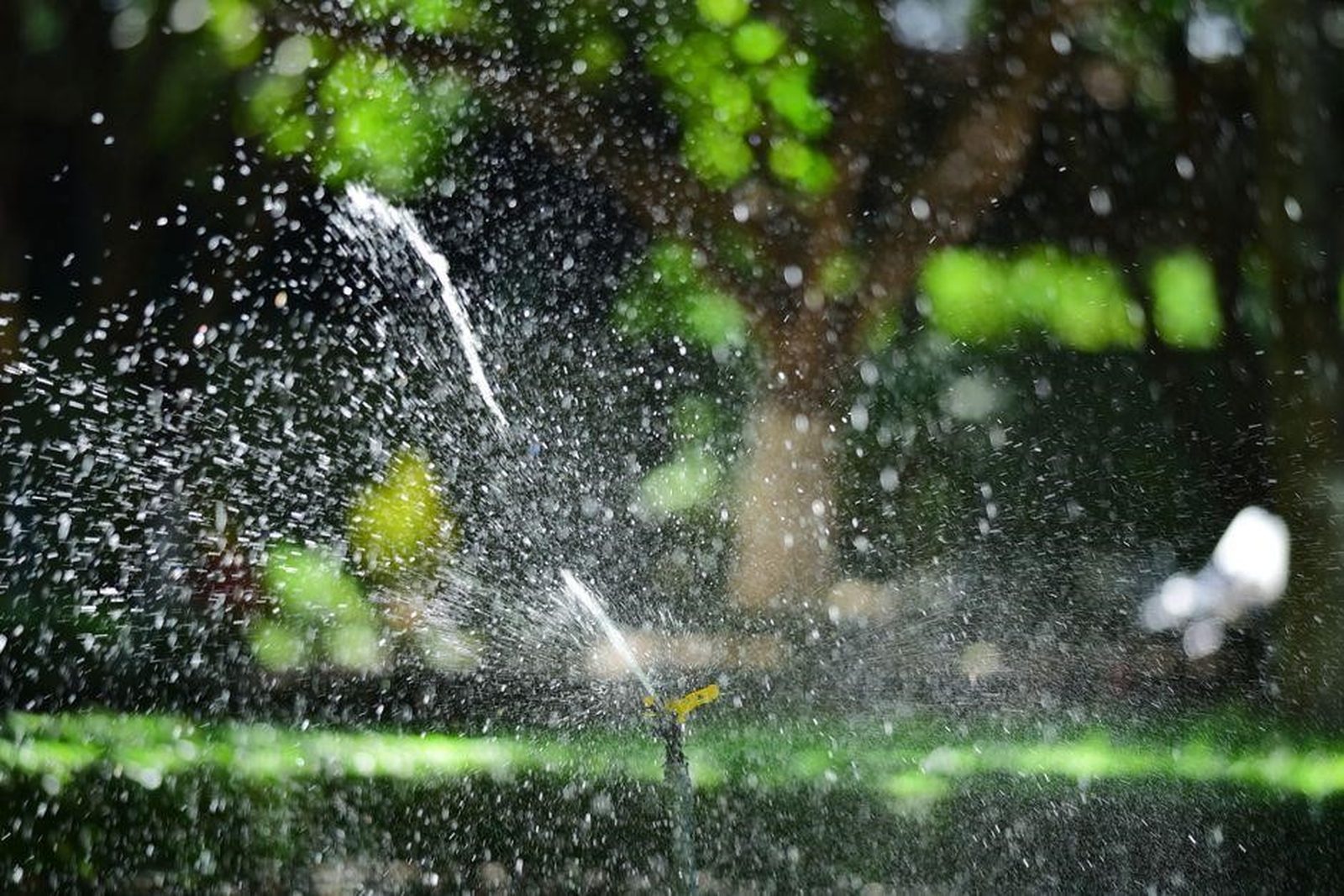
If your sprinkler system starts acting up, your yard usually tells on it first. Brown patches, puddles, or a sidewalk getting a free daily shower are all warning signs. In a place like Estero, where heat, rain, and fast-growing landscapes keep irrigation systems working hard, small issues can turn expensive pretty quickly. Knowing what to watch for helps you protect your lawn, avoid wasted water, and make better repair decisions before the damage spreads.
Know When DIY Makes Sense and When You Need a Pro
Some sprinkler fixes are manageable if you’re comfortable with basic yard maintenance. Replacing a clogged nozzle, cleaning a filter, or adjusting a spray pattern usually doesn’t require advanced tools. If one head is tilted or blocked by overgrown grass, a simple correction may restore proper coverage.
The line gets blurry once the problem involves wiring, valves, pressure loss, or underground leaks. Digging in the wrong place can damage pipes further. Misdiagnosing a pressure issue can lead to replacing parts that were never the problem in the first place.
If you’re looking for professionals that specialize in emergency sprinkler repair, Estero Florida has local service providers like Sunrise Irrigation, which offers sprinkler system repairs, troubleshooting, and maintenance to help homeowners address irrigation problems and keep their landscapes properly watered.
Spot the Early Signs Before a Small Problem Gets Expensive
Sprinkler problems rarely begin with a dramatic pipe burst. More often, they start with subtle clues you can miss if you’re not paying attention. One zone may run weaker than the others. A sprinkler head might sputter, spray in the wrong direction, or stay buried while the grass around it looks suspiciously thirsty.
You may also notice water pooling near one valve box or a sudden jump in your utility bill. That’s often your system waving a red flag. Broken heads, cracked lateral lines, leaking valves, and controller glitches can all create uneven watering patterns.
A quick walk around your yard during a watering cycle can reveal a lot. If your driveway is getting more hydration than your hedges, your system is not being generous. It’s being inefficient.
Understand What Usually Goes Wrong in Residential Irrigation Systems
Most residential sprinkler systems fail in a few predictable ways. Sprinkler heads get damaged by lawn mowers, foot traffic, shifting soil, or simple wear over time. Valves can stick open or fail to open at all. Underground pipes may crack from pressure issues, root intrusion, or accidental digging during landscaping work.
Controllers also cause their fair share of confusion. A programming error can make it seem like you have a leak when the real problem is a schedule gone rogue. Rain sensors can fail too, which means your sprinklers may keep running even when Florida skies already handled the job.
In Estero, sandy soil and frequent weather swings add extra stress to irrigation systems. Components age faster when they’re exposed to intense sun, heavy rainfall, and long watering seasons. A system that looked fine last month can suddenly develop performance issues that affect your lawn’s health.
Use a Simple Inspection Routine to Catch Problems Faster
You don’t need a contractor’s clipboard to inspect your sprinkler system well. A simple monthly check can help you catch issues before they turn into lawn damage or utility bill regret. Run each irrigation zone one at a time and observe what happens.
Look for:
- Heads that don’t pop up fully
- Water misting into the air instead of spraying cleanly
- Streams hitting sidewalks, fences, or your house
- Dry patches between sprinkler heads
- Muddy spots or standing water after the cycle ends
- Zones that start late or fail to turn on
Check your controller settings too. Power outages, storms, and accidental button presses can scramble schedules. If your system runs at odd times, don’t assume it has become self-aware. It usually just needs reprogramming.
Protect Your Landscape Design by Fixing Coverage Problems Properly
Irrigation issues don’t only waste water. They can quietly ruin the look and health of your entire landscape. Turf may thin out in one section while another develops fungus from overwatering. Flower beds can struggle if spray heads are set for grass instead of shrubs or groundcover.
This matters even more if your yard has a carefully planned design with mixed plant types, decorative borders, or newer installations. Different areas often need different watering patterns, pressure levels, and head types. A one-size-fits-all repair rarely works well.
If you’ve invested in curb appeal, proper repairs protect more than the mechanical system. They preserve plant health, soil stability, and visual balance. A misaligned rotor may seem minor until it starts stressing one corner of the lawn every morning. Landscapes are surprisingly honest about irrigation mistakes.
Pay Attention to Water Efficiency and Local Conditions in Estero
Estero’s climate makes irrigation essential, but it also raises the stakes for efficiency. Heat drives evaporation, summer storms can saturate the soil fast, and water restrictions may affect when you can run your system. An outdated or damaged setup can waste a surprising amount of water without making your yard look any better.
Smart repairs focus on performance and efficiency together. That might mean switching to matched-precipitation nozzles, correcting overspray, replacing leaking valves, or separating plant beds into their own zones. These upgrades can improve watering accuracy while lowering monthly costs.
Local soil conditions matter too. Sandy soil drains quickly, so deep flooding often does less good than shorter, targeted cycles. When a repair is tailored to your actual landscape conditions, your system works with the environment instead of fighting it.
Build a Maintenance Habit That Saves You Money Over Time
The cheapest sprinkler repair is often the one you never need because you caught the issue early. A basic maintenance habit keeps your system running more reliably and helps your landscape stay consistent through changing seasons.
Plan to inspect zones monthly, trim vegetation around heads, and test your controller settings after storms or power interruptions. At least once a year, it’s worth getting a professional system check, especially before peak summer heat arrives.
A healthy irrigation system should deliver even coverage, predictable scheduling, and no surprise swamp zones near the mailbox. When repairs are handled quickly and maintenance becomes routine, your lawn stays in better shape and your water bill stays less dramatic. That’s a strong trade. Your yard gets what it needs, and you avoid paying for water that never helped in the first place.