Jonathan Anderson’s Dior & the Return of Romantic Fashion
By Josie NeJame
Sometimes fashion begins not with a silhouette, but with a feeling. The quote chosen for the invitation to Christian Dior’s Autumn/Winter 26-27 collection, designed by Jonathan Anderson, set the tone long before the first model stepped onto the runway. Its poetic message about unexpected beauty and fleeting moments of joy felt particularly relevant today. The world may sometimes feel heavy and uncertain, and we naturally gravitate towards the things that remind us of lightness, optimism, and possibility. What the quote suggests and what Anderson seems to understand instinctively is that beauty does not always arrive in grand orchestrated moments. Sometimes it just appears naturally, like a rainbow caught in a fountain spray. In fashion, that translates to pieces that feel emotional rather than just impressive, joyful rather than simply luxurious.
Jonathan has built his reputation on exactly this kind of intellectual playfulness. Known for his work with his namesake JW Anderson and his transformative tenor at Loewe, he has consistently shown an ability to inject humor, curiosity, and humanity into luxury fashion. Whether it was his viral pigeon clutch, famously carried by Sarah Jessica Parker in And Just Like That or his surrealist accessories that turn everyday objects into converted design pieces. Anderson has demonstrated that luxury can be serious and fun.
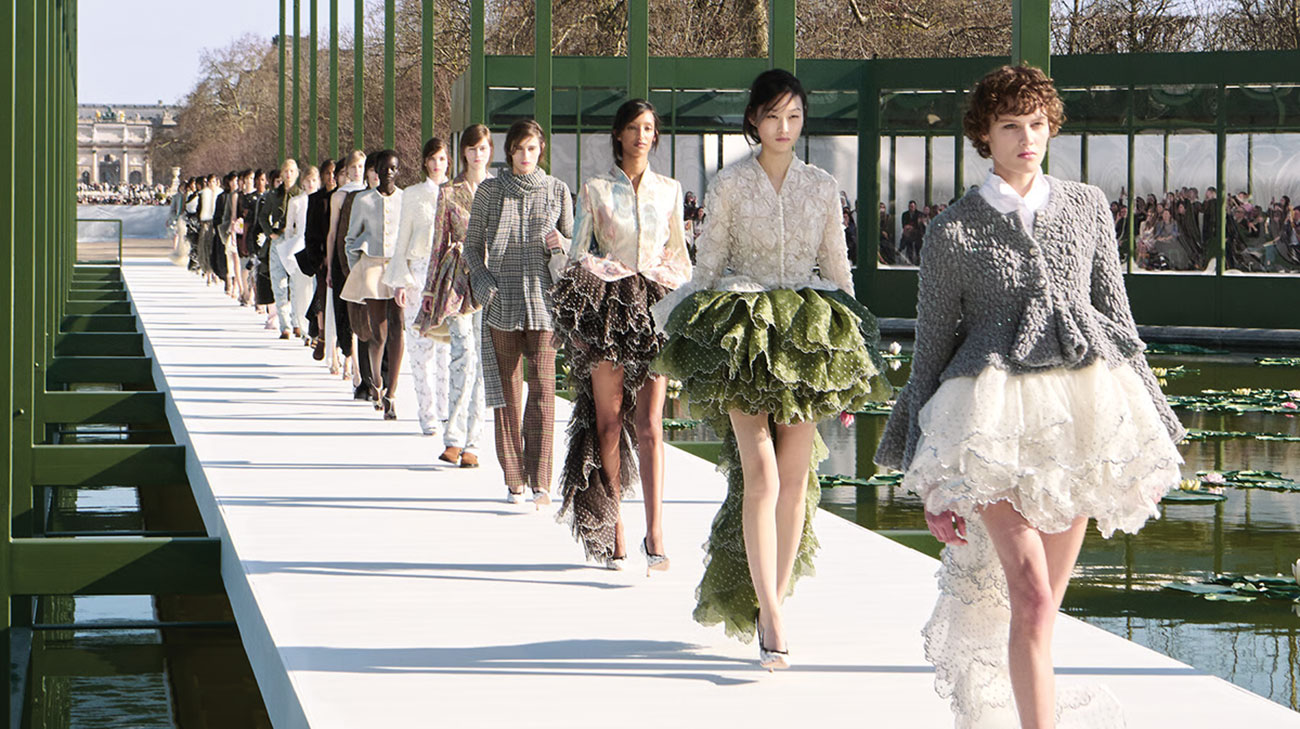
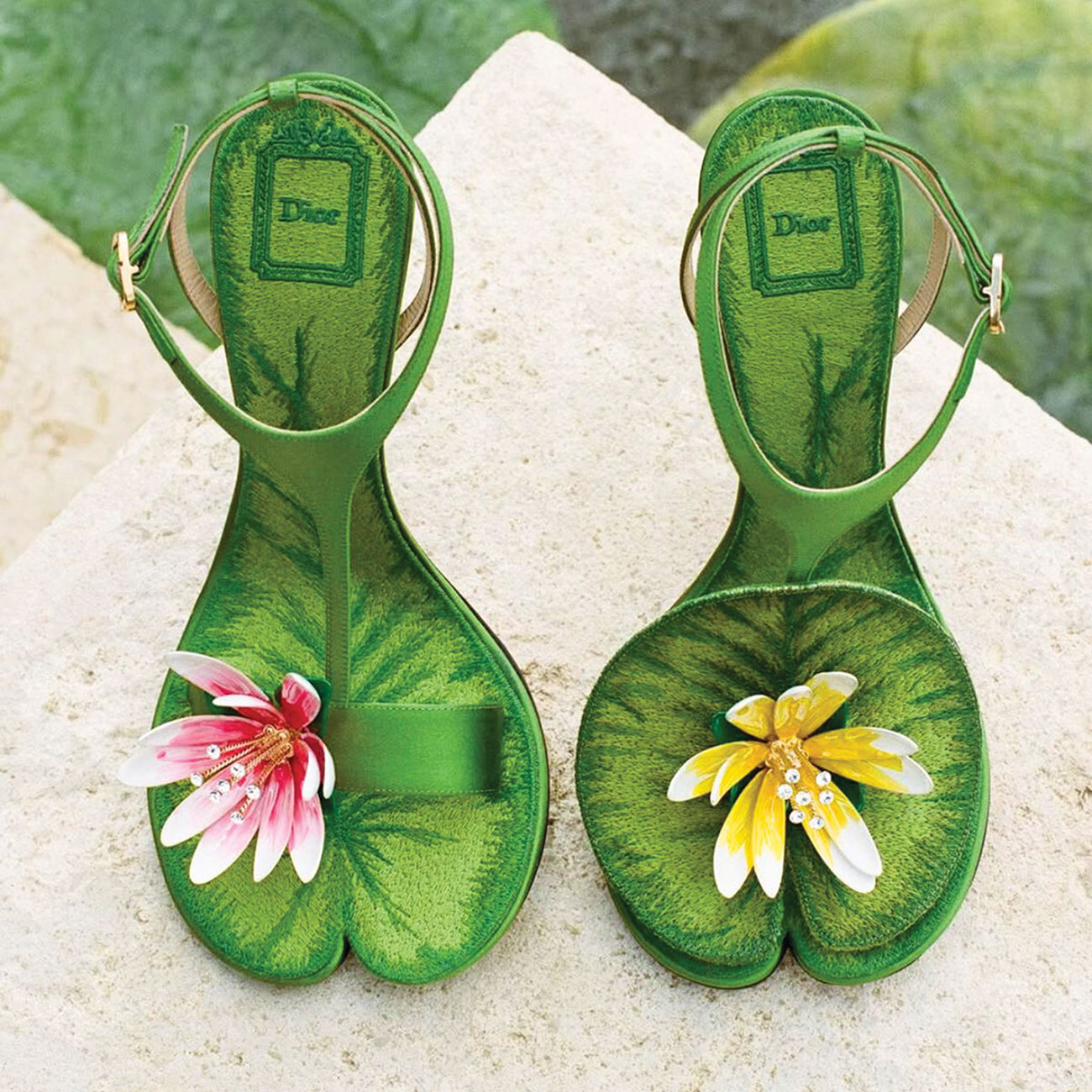
At Dior, that sensibility feels like a refreshing evolution of the house’s heritage. While Dior has always represented refinement and poetic femininity; Anderson introduces a sense of optimism and lightness that feels particularly timely. Nowhere is this more evident than the now highly anticipated lily pad heels from his A/W26 collection. His whimsical, elegant shoes quickly became among the most talked about accessories of PFW, with buyers and boutique managers already noting a strong demand. And should anyone at Dior Orlando or Neiman Marcus Orlando be taking notes- please consider this my completely professional and purely journalistic reminder that I am very conveniently a size 39. For research purposes, of course.
The garden motif at the center of the collection also carries deeper meaning. Gardens along symbolize the meeting point between nature and design. Its beauty shaped through intention and care. Couture operates in the same way, transforming raw materials into something structured, emotional, and lasting. This connection feels especially fitting for Dior, as Christian Dior himself was famously passionate about flowers, and often drew inspiration from his own gardens, making florals a permanent part of the house vocabulary.
Beyond the garments that show’s scenography further reinforced Anderson’s poetic vision. The seating reference the iconic green park chairs of the Jardin des Tuileries, encouraging the idea of chance, encounters, and quiet observation. It’s a reminder that Paris has always been a city where fashion exists, not only on runways, but within everyday life. The runway traced the perimeter of the Basin Octagonal fountain, with guest seated around the water, so the collection unfolded in the round, turning the audience into part of the experience itself. A bridge, spinning the fountain at the famous crossing of the Seine River. The symbolic connections between the historic right and left banks, and the constant exchange of ideas defines Parisian culture. As Anderson himself explained, “the collection reflects the constant flow of ideas that is so typical Parisian life, and the spectacle of the everyday.”
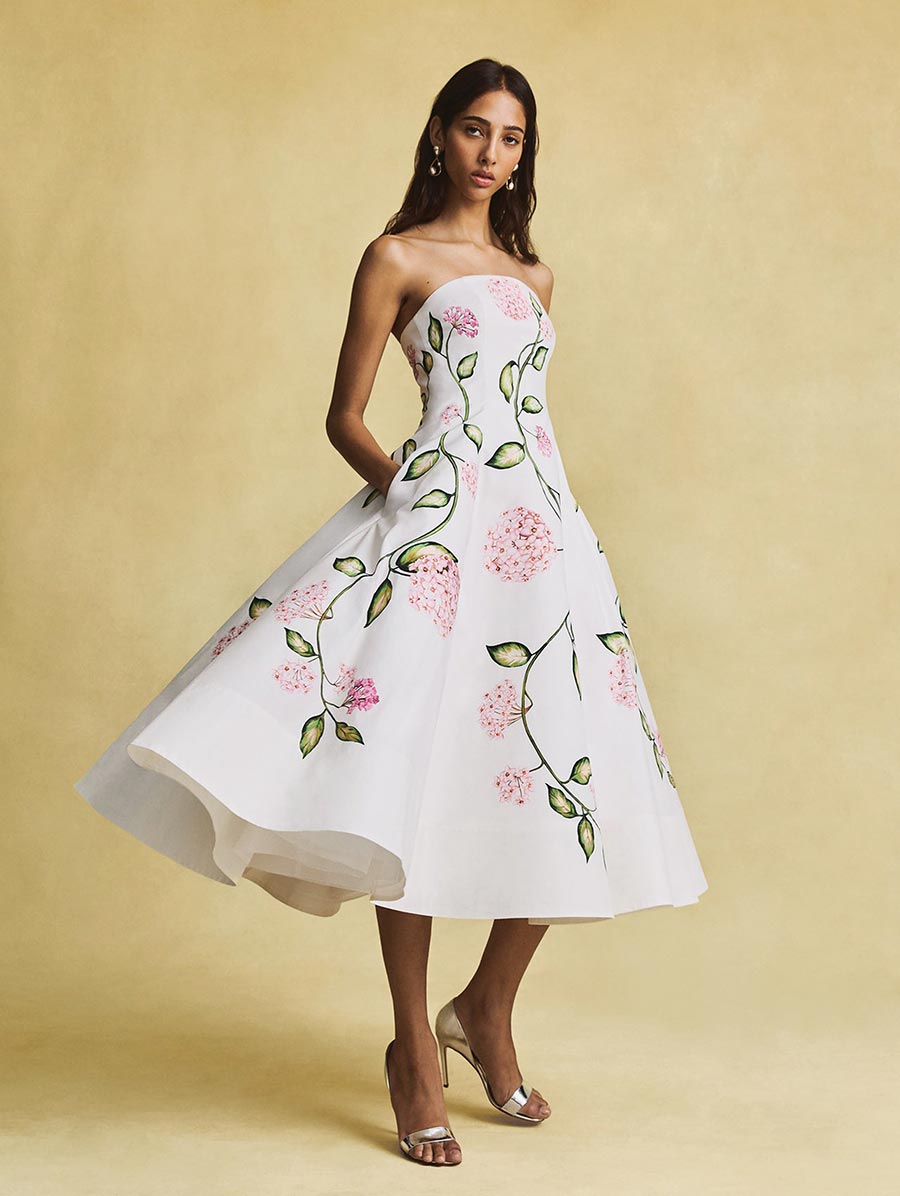
This renewed romanticism is not happening in isolation. Current collections from houses such as McQueen and Oscar de la Renta explore florals, not as simply a seasonal decoration, but as a sculptural, architectural expression of modern femininity. Corsetry shaped like petals, dimensional embroidery, and botanical silhouettes suggest strength as much as softness. It’s femininity that feels intentional rather than delicate.
It is impossible, not to think of the famous line from The Devil Wears Prada, when Miranda Priestly coolly remarks, “Florals? For spring? Groundbreaking.” Yet today, florals do feel new again. Not because they’re unfamiliar, but because designers are reinterpreting them through craftsmanship, proportion, and storytelling. Perhaps what makes this return to romantic dressing resonate so strongly now is the emotional role fashion continues to play in our lives. In moments of uncertainty, beauty becomes more than decoration. It becomes reassurance. It becomes escapism. It becomes joy.
Jonathan Anderson seems to understand this deeply. His work consistently reminds us that fashion at its best is not simply about trends or spectacle, but it’s about perspective. It’s about helping us see beauty where we might not have thought to look before. And perhaps that is the real take away from Dior’s poetic invitation. Like the rainbow unexpectedly appearing in the midst of a fountain, fashion still has the power to surprise us, to lift us, and remind us that even the smallest moments of beauty can feel extraordinary.