Florida’s Role in EDM’s Rise and the Energy of EDC Orlando
By Maha Chaudhry

Electronic dance music did not begin as a global spectacle. It started in dark rooms, built by communities searching for freedom through rhythm. House music was born in Chicago clubs in the early 1980s. Techno followed in Detroit, shaped by futurism and machine soul. For decades, these sounds lived on the margins, passed hand to hand, record to record, night to night.
Today, EDM is one of the most powerful forces in modern music.
According to the IMS Business Report, the global electronic music industry is now valued at nearly $13 billion, with year-over-year growth driven by festivals, touring, streaming, and music technology. Electronic artists now account for close to one fifth of all major festival lineups worldwide, and house music in particular has surged back into the mainstream through tech house, melodic house, and Afro house sounds. EDM is no longer a counterculture. It is culture.
Florida: From Underground
Roots to Global Relevance
Florida has played a quiet but critical role in that rise. Miami’s influence is well documented, with Ultra Music Festival and Miami Music Week helping define the American electronic calendar. Ultra alone has generated over $1 billion in economic impact since its inception, proving EDM’s power not just artistically, but economically.
Orlando’s story is equally important. Long before it became home to the Electric Daisy Carnival (EDC), one of North America’s largest dance festivals, the city supported early rave culture, club nights, and regional scenes that helped normalize DJ-driven events across Central Florida. That infrastructure created pathways for artists to grow locally before reaching national and global stages.
Several notable names reflect Florida’s deep connection to EDM. ACRAZE emerged from the Orlando scene and helped push modern tech house into the mainstream conversation. Diplo has spoken openly about his formative years DJing in Orlando while attending UCF. Earlier pioneers like DJ Icey helped define the Florida breaks movement in the 1990s, while Tampa’s Rabbit in the Moon brought theatrical rave culture to national touring circuits.
Florida does not just host electronic music. It helps grow it.
Looking Back at EDC Orlando: A Festival That Reflects the Movement
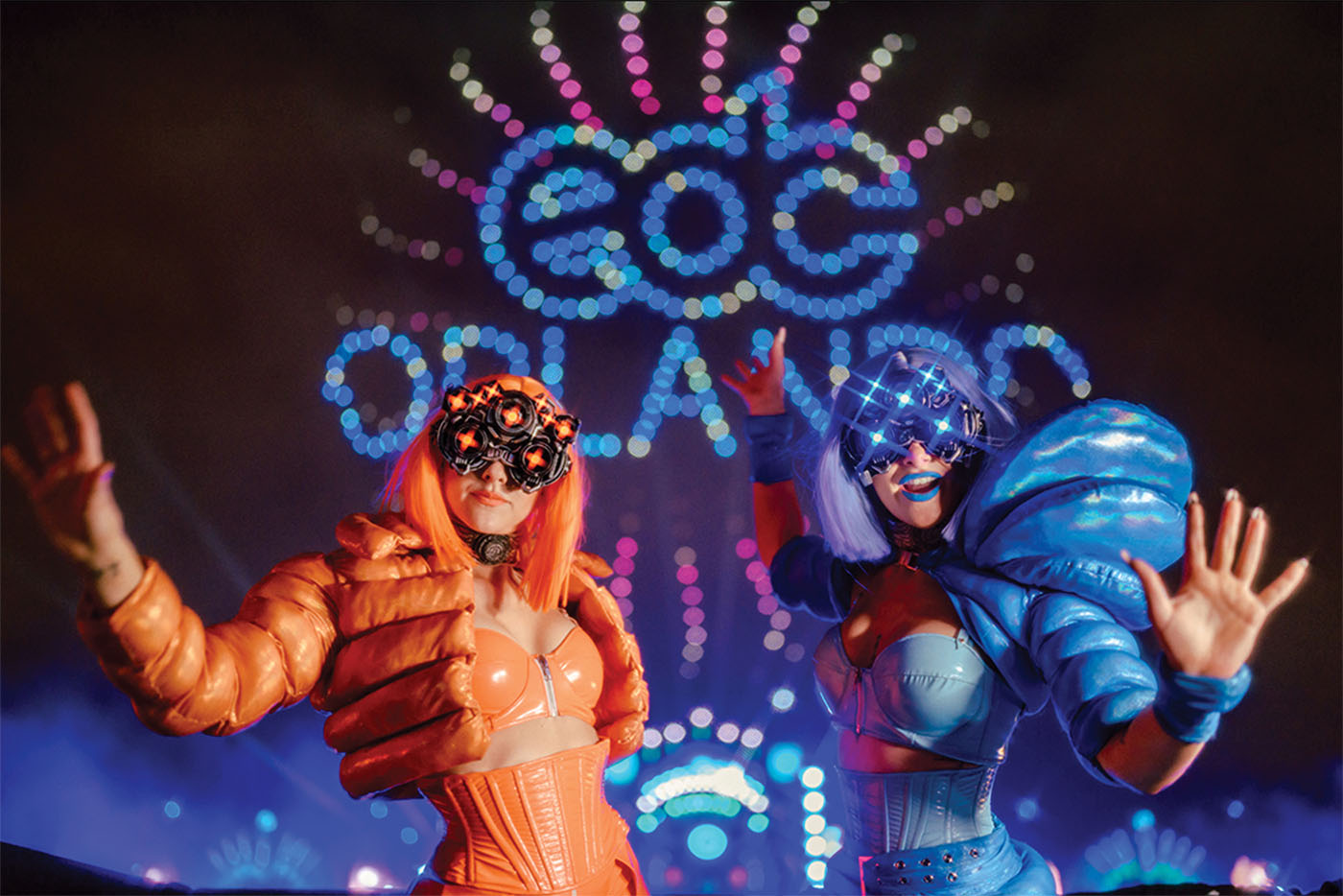
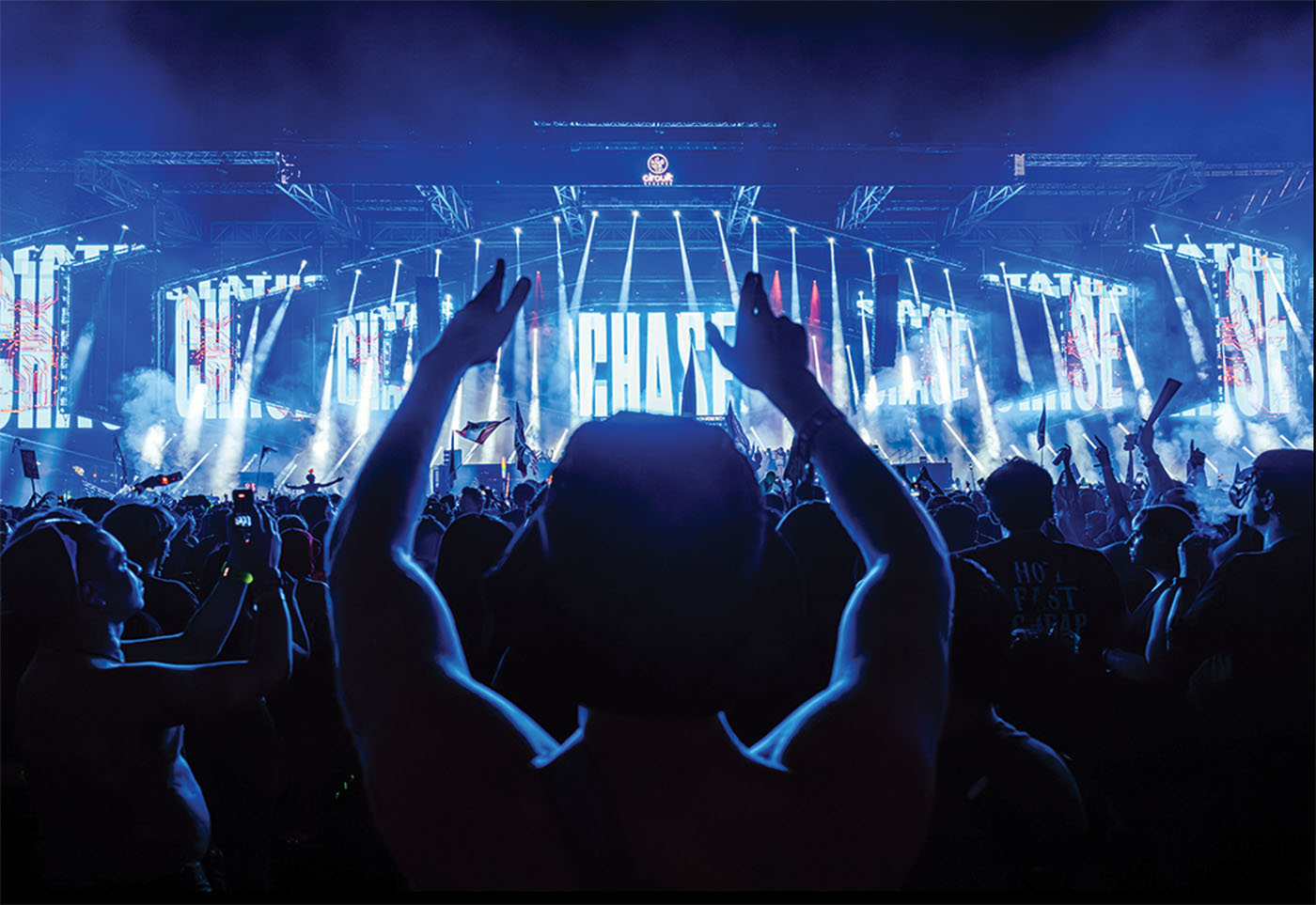
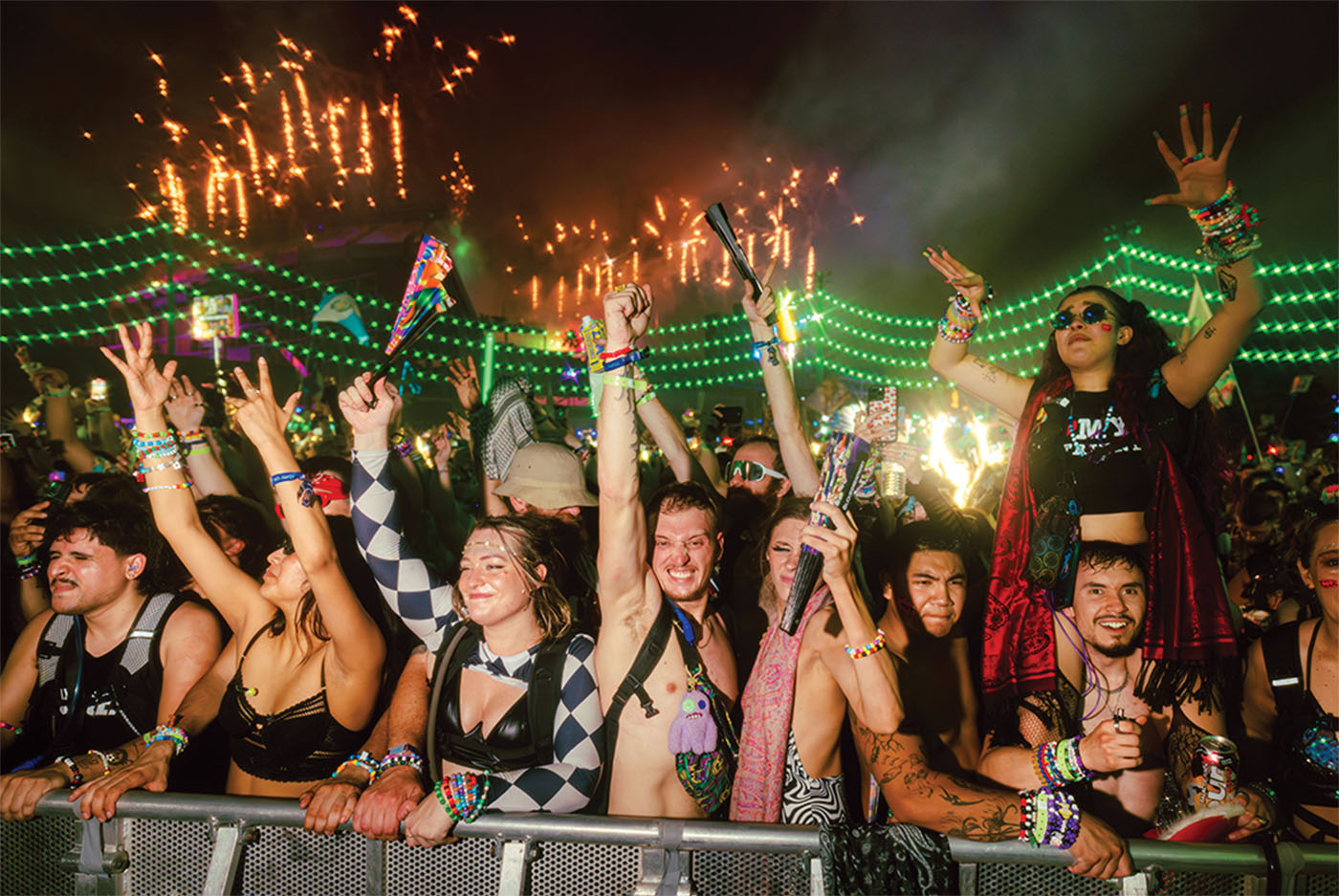
That growth was on full display at EDC Orlando 2025, which once again transformed Tinker Field into a three-day world of sound, light, and connection. Organizers estimated approximately 300,000 attendees across the weekend, reinforcing EDC Orlando’s position as one of the largest electronic festivals in the United States.
The lineup mirrored where EDM stands today. Massive mainstage moments shared space with house and techno-driven sets, reflecting the genre’s broadening spectrum. Artists like Tiësto, Zedd, Dom Dolla, Chris Lake, and Armin van Buuren commanded the largest stages, while artists such as Charlotte de Witte, Subtronics, and DJ Snake showcased the diversity within the EDM umbrella.
What stood out most was not just the production, but the energy. EDC Orlando continues to balance spectacle with intimacy. Massive stages coexist with smaller discovery spaces, where rising artists connect with crowds just as deeply as global headliners. It is a festival built not only for consumption, but for participation.
EDC’s Impact on the City
Since its debut in 2011, EDC Orlando has evolved alongside electronic music itself. What began as a single-city extension of a global brand has grown into one of North America’s most influential dance music gatherings, expanding in size, scope, and cultural relevance year after year. Today, EDC Orlando represents far more than a festival. It is a cornerstone of Orlando’s modern cultural identity.
Each November, the event draws hundreds of thousands of domestic and international visitors, transforming the city into a global meeting point for electronic music fans. Hotels across downtown and surrounding neighborhoods reach near capacity, restaurants and nightlife venues experience peak traffic, and transportation and hospitality services operate at full throttle. With an estimated 300,000 attendees across three days, EDC Orlando injects tens of millions of dollars into the local economy while creating thousands of temporary jobs, from production crews and security teams to local vendors and service staff.
Beyond the numbers, EDC Orlando delivers something less measurable but equally valuable: brand equity. For one luminous weekend each year, Orlando steps fully into the global spotlight as a design-forward, culture-driven destination. The festival reinforces the city’s evolution beyond its theme park reputation, aligning it instead with contemporary lifestyle, youth culture, and luxury travel experiences rooted in music, art, and immersive design.
More importantly, EDC Orlando reflects where EDM itself is headed. Genre lines continue to blur as house music reclaims center stage, underground sounds rise to massive platforms, and new artists ascend faster than ever in a digitally connected world. Through it all, community remains at the core, uniting people across backgrounds through shared rhythm and experience.
Under the electric sky, surrounded by basslines and fireworks, EDC Orlando is movement still expanding, still evolving, and still very much alive. Stay tuned for next year as EDC Orlando returns November 2026.